


Share This News:
The Forgotten Portuguese Churches of Old Goa – A Journey Through Time
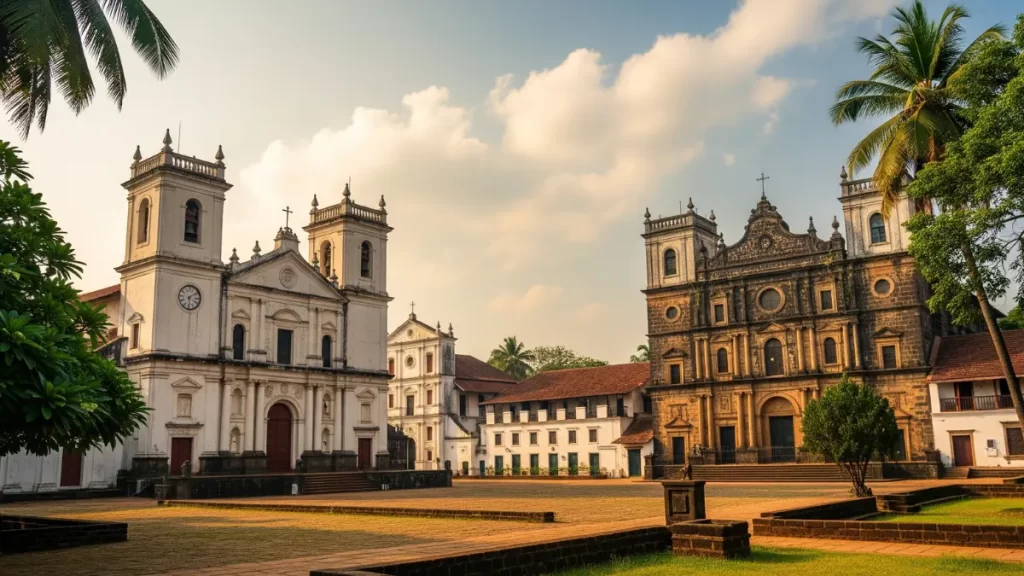
When most people think of Goa, images of sandy beaches, beach shacks, and nightlife come to mind. But hidden beyond the party music and waves lies a city frozen in time – Old Goa. Once the grand capital of Portuguese India in the 16th century, it was known as the “Rome of the East” for its magnificent churches and cathedrals. Today, these Portuguese churches in Goa stand as silent witnesses to centuries of faith, art, and colonial power.
A Brief History of Old Goa
Old Goa rose to prominence in 1510 when Portuguese explorer Afonso de Albuquerque captured it from the Bijapur Sultanate. Over the next century, the city became a thriving trade hub, attracting merchants from Europe, Africa, and Asia. The Portuguese brought not only spices and wealth but also Christianity, which shaped the region’s identity.
Between the 16th and 18th centuries, grand churches were built – blending European baroque architecture with Indian artistry. By the 18th century, disease outbreaks and political changes caused the decline of Old Goa, but its churches remained – now protected as UNESCO World Heritage Sites.
The Must-Visit Portuguese Churches In Old Goa
1. Basilica of Bom Jesus – Home to St. Francis Xavier
Perhaps the most famous church in Goa, the Basilica of Bom Jesus is over 400 years old and houses the mortal remains of St. Francis Xavier. The body, miraculously preserved, attracts pilgrims from around the world every ten years during its public exposition. Its Baroque façade and richly decorated gilded interiors are masterpieces of Portuguese art.
2. Se Cathedral – Asia’s Largest Church
Dedicated to St. Catherine, the Se Cathedral is one of the largest churches in Asia. Built in the Portuguese-Gothic style, it took nearly 80 years to complete. Its massive bell, the “Golden Bell,” is the largest in Goa and known for its deep, resonant sound.
3. Church of St. Cajetan – Inspired by St. Peter’s Basilica
A lesser-known gem, the Church of St. Cajetan is modeled after Rome’s St. Peter’s Basilica. Its Corinthian columns and Baroque altar make it one of the most beautiful examples of Portuguese religious architecture in India.
4. Ruins of St. Augustine Church – A Lost Marvel
Once one of the largest churches in Goa, the Church of St. Augustine now lies in ruins. The surviving 46-meter-high tower tells stories of grandeur and abandonment. It’s a haunting yet beautiful site for history lovers.
Architectural Significance
Portuguese churches in Goa blend European styles like Manueline, Baroque, and Corinthian with local Goan influences. The use of laterite stone, intricate wooden carvings, and gold leaf interiors reflects both religious devotion and the wealth of the Portuguese empire.
Festivals & Cultural Traditions
The Feast of St. Francis Xavier, held every December, draws thousands of devotees. Christmas and Easter celebrations here are a mix of Portuguese customs and Indian traditions, with music, dance, and street food adding to the festive spirit.
Travel Guide for Visitors
- Best Time to Visit: November to February (cooler climate & festivals)
- Entry Fees: Most churches are free to enter, but donations are welcome
- Photography: Allowed in most places except restricted heritage zones
- Tips: Wear modest clothing, respect local customs, and hire a guide for detailed history
Personal Experience
On my first visit to Old Goa, I walked into the Basilica of Bom Jesus during the soft golden hour. The sunlight streaming through the high windows illuminated the gilded altar, and for a moment, I felt like I had stepped back into the 17th century. The air carried a mix of incense and history – an unforgettable memory.
Conclusion – A Living Legacy
The Portuguese churches of Old Goa are not just monuments; they are living museums of faith, art, and culture. Visiting them is like walking through the pages of history – a journey every traveler to Goa should take.
FAQs About Rohtang Pass
Q1. Why is St. Xavier's church famous?
Q2. Which church is most famous in Goa?
Q3. Are there any Portuguese left in Goa?
Q4. Which god is famous in Goa?
Q5. What is the religion of St. Xavier?

Amit Pathania
Amit Pathania is the founder of Jannat Travel Guru, a trusted travel platform that has been helping travelers since 2020. With over 5 years of experience in the travel industry, he offers customizable and budget-friendly tour packages across Himachal Pradesh and other Himalayan destinations. Amit is passionate about guiding tourists to hidden gems, scenic spots, and cultural wonders with comfort and ease. Follow his blogs for expert travel tips, destination guides, and exclusive package deals.